Dateable
How to use natural light for dating profile photos
Stand facing a window or go outside in the hour after sunrise or before sunset. Let soft light fall on your face, not from behind.
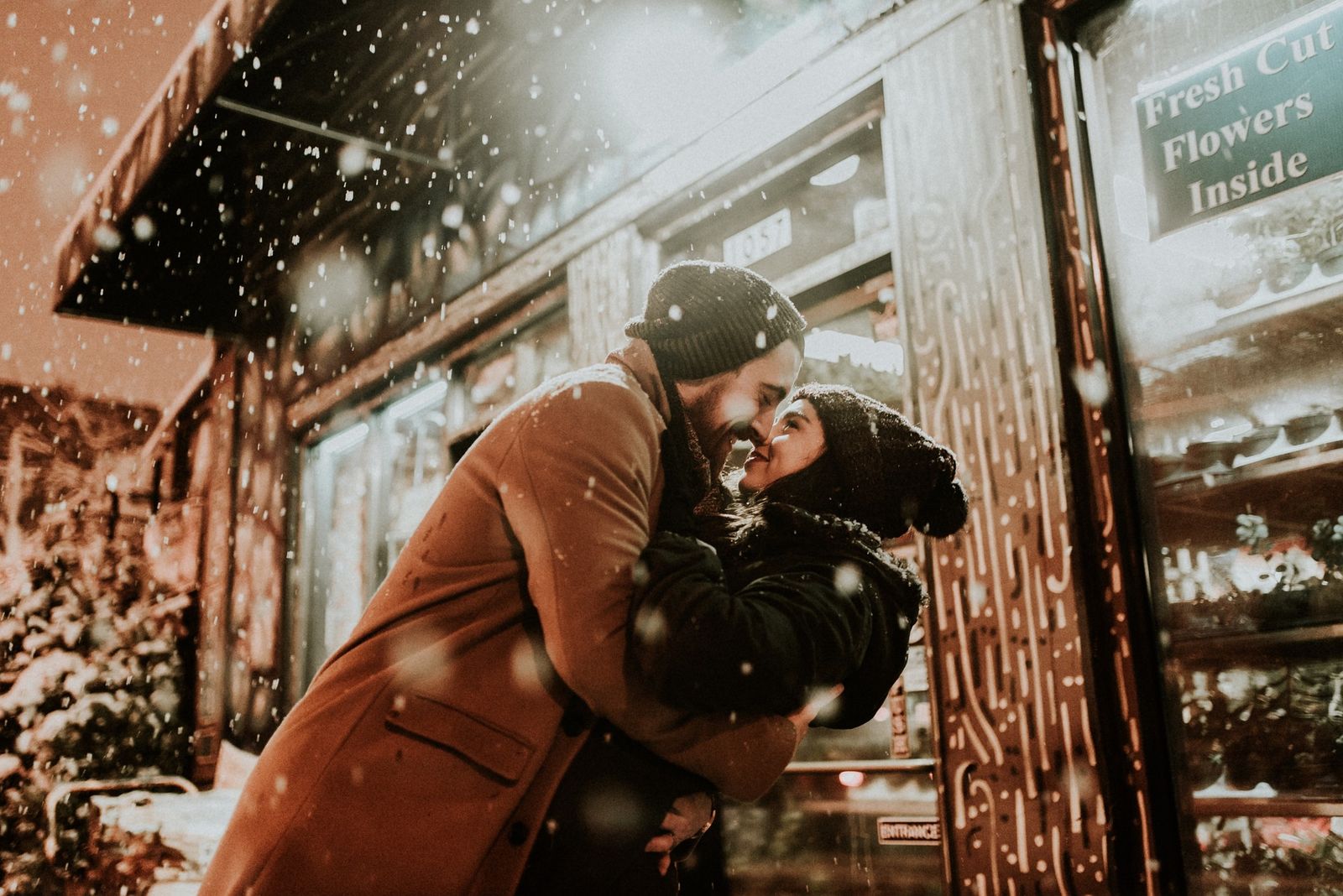
Stand facing a window, or go outside in the hour after sunrise or before sunset, and let soft light fall on the front of your face. It costs nothing, and it makes you look like yourself on a good day.
Why light matters more than you think
Overhead light and midday sun cast hard shadows under the eyes and across the face. The eyes look smaller, the face looks tired, and the skin looks worse than it is, all before anyone reads a word of your profile.
Soft light from the front fills those shadows instead of making them, and forgives an uneven complexion or a tired morning without changing what you look like. That matters: the aim is a photo your date recognises the moment you walk in.
Window light: the easiest choice
A window on an overcast day or in indirect sunlight gives you soft, flattering light with almost no work. Stand facing the window, a few feet back, and let light fall on the front of your face. The light spreads across your face evenly because it is coming from a large source (the window) instead of a point source (the sun or a lamp).
Avoid standing with the window to the side of your face unless the side is the side you want to show. A side-lit face looks thinner and more angular, which can be good if that is your goal, but it also creates one bright side and one shadowed side. A face lit from the front is symmetrical and reads as open.
The best window is one the sun does not shine straight through. In Australia and New Zealand that is a south-facing window; in the Northern Hemisphere, a north-facing one. Its light stays soft all day. An east-facing window is soft in the afternoon, a west-facing one in the morning. If the sun is pouring straight in, hang a white sheet or sheer curtain over the glass to soften it.
Outdoor light: timing is everything
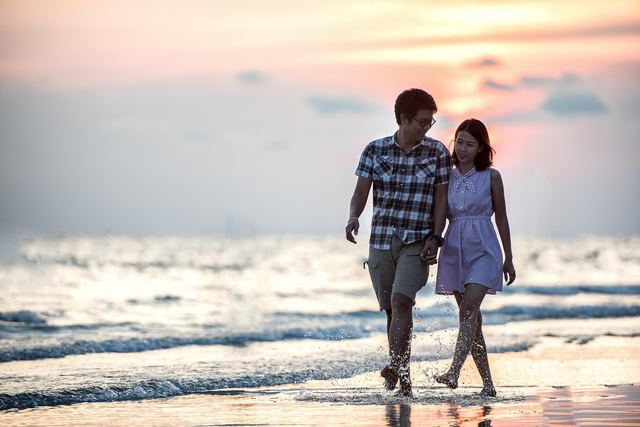
The best outdoor light is in the hour after sunrise or the hour before sunset. Photographers call this the golden hour, and it works because the sun is low, the light is warm and soft, and it falls on your face at a flattering angle. You look warm, alive, and relaxed in this light.
Midday sun is the enemy. When the sun is high, it is harsh and bright. Shadows fall straight down, darkening the eyes and hollowing the cheeks. The brightness also makes you squint, and squinted eyes do not read well in a photo. If you have to shoot at midday, seek open shade: a covered porch, a tree, or a building shadow. The shade should be open to the sky so light still reaches your face from above and around you, but not direct sun.
Open shade on a bright day is flattering because the whole sky becomes your light source, so shadows stay gentle. A cloudy day works the same way: the clouds spread the sun into one huge, soft light.
Keep the light in front, not behind
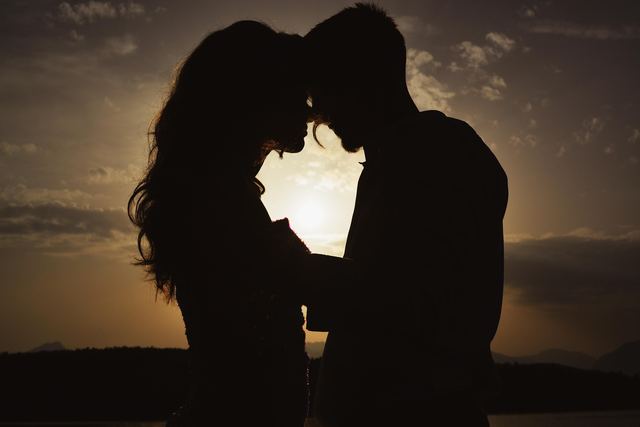
The most common mistake is shooting with the sun or a bright window behind you. This creates a halo around your head and silhouettes your face or makes it dark and hard to read. The person viewing your profile cannot see your features clearly, and they move on.
Put the light in front of you or slightly to one side, never behind. A quick test: look at your phone screen before you shoot. If your face is darker than the background, turn around.
A small exception: if you are shooting in bright sun and you want a very subtle rim light (a thin line of light around your silhouette that separates you from the background), position yourself so the sun is slightly behind and to the side. But your face should still be the brightest part of the photo, which means the main light still needs to come from the front or a front side angle.
Bounce light to fill shadows
Once you have chosen your light source, you can make it even better by bouncing light back into shadowed areas. A white wall, a white sheet, white clothing, or a piece of white foam board all work. Hold or position the white surface so it faces the light and bounces light back onto your face.
This is especially useful when you are facing a window: position a white sheet or board on the opposite side of your face from the window, and it bounces the window light back and fills in shadows. Or use it outdoors during the golden hour: have someone hold a white sheet or reflector on the shadowed side of your face, and watch the shadows soften and disappear.
You do not need to buy a professional reflector. A white bedsheet held up by a friend or propped against a chair works perfectly. The bigger the white surface, the more light it bounces and the more even the light becomes across your face.
Test in different spaces
Light changes with the room and the hour. A green wall or a red awning tints your skin, and the same window gives different light at 9am and 3pm. Take a few test shots in two or three spots at two different times, and compare them side by side on your phone. Keep the spot and time that wins, and shoot there.
Natural light shows your face as it is, which is also what the verification selfie compares against. When you choose your photos, lead with the clearest face shot in the softest light. What you wear matters too; the style posts cover it, and more photo help is in the photos posts.