Dateable
Myth: designer logos make you look expensive
Fit, fabric and condition read as expensive; large logos read as trying. One tailored piece beats several loud ones.
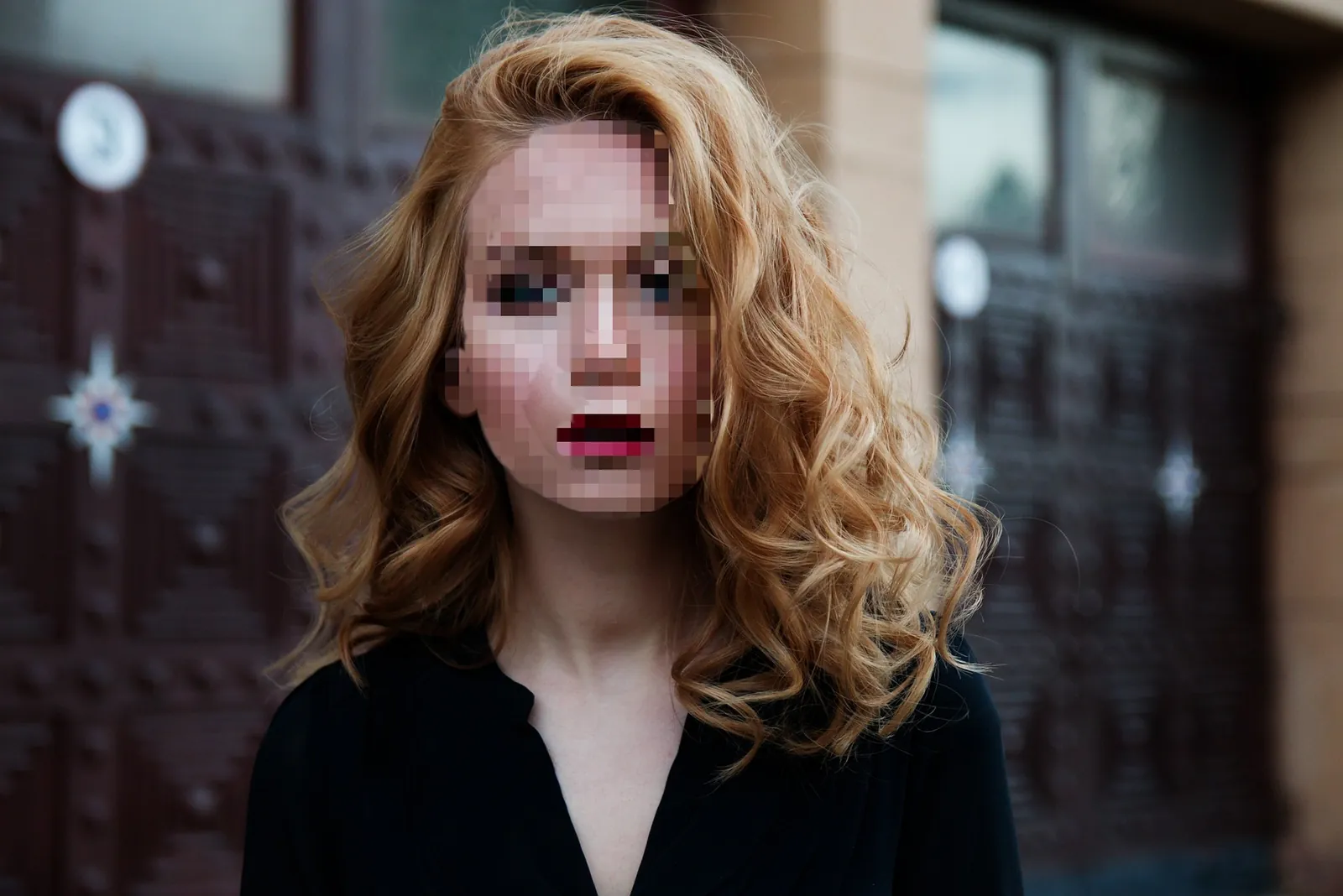
Logos do not make you look expensive. What reads expensive is fit, fabric, condition and grooming; what reads as trying is a room full of brand names. Wear one well-fitted piece in quality fabric, and you look like someone with taste. Wear five pieces with visible logos, and you look like someone who bought them at full price to tell people what they cost.
What actually reads as expensive
Expensive-looking does not mean expensive. A tailored piece in poor-quality fabric reads as cheap. An inexpensive piece that fits your shoulders, your waist and your length reads as expensive, because it suggests either money for tailoring or taste in choosing the right thing first. People clock fit before they clock labels.
Grooming matters more than labels. Shoes that are cleaned and maintained read as expensive. A shirt that is pressed reads as expensive. A suit that is not wrinkled, even an inexpensive suit, reads as expensive. When someone meets you, they do not see "this logo costs this much." They see whether you look like you matter to you.
Why logos work the opposite way
A visible logo tells people you paid for the name. It says you bought the item because other people would recognise it. That is the opposite of expensive-looking, because people who can afford anything do not need anyone else to validate their choice. They buy what fits and what suits them.
The bigger the logo, the more it advertises that you are buying permission to exist in a space. It reads as uncertainty. Quiet labels, or no labels at all, read as confidence: the confidence to wear something because it looks and fits well, not because a logo gives you permission.
Fit beats price every time
A tailored piece from a high street shop will read as more expensive than a designer piece that does not fit your body. Tailoring costs money, and fit is the thing people notice first. When something fits you well:
- The seams sit on your shoulders, not past them or short of them
- The waist hits your actual waist, not somewhere your body has to work around it
- Sleeves end at your wrist, not your knuckles or your hands
- Length is right for your proportions: a dress skims, trousers break once at the shoe
A polo shirt with no logo that fits perfectly reads as far more expensive than a polo shirt with a famous designer logo that bunches or pulls. You know this already from looking at other people.
Quiet colours photograph and age better
Colours that do not scream are the ones people remember. Wear a bright primary colour with a huge logo and your date will describe your outfit. Wear quiet black, grey, navy, cream or a single accent colour and your date will describe you.
Quiet colours also photograph better. If you are taking photos for your profile, jewel tones, earth tones and neutrals photograph well in all lighting. Bright colours with large logos read as costume in photos. Wear colours that are restful, not loud, and you look like someone who has thought about how you come across.
Shoes matter more than logos
One pair of clean, well-maintained shoes that fit is worth five pairs covered in logos. Shoes that are scuffed, worn or not cleaned read immediately as not caring. Shoes that are polished, maintained and actually fit your feet read as expensive, no matter what you paid for them.
Choose shoes in a neutral colour that works with most of your wardrobe. Take care of them. When they start to wear, have them repaired or replace them. A single excellent shoe reads as more expensive than a closet full of shoes that are not maintained.
One good piece beats several loud ones
Quality shows. A cardigan in soft, weighted fabric, in a colour that suits you, worn over simple trousers, reads as expensive because the fabric is good and the fit is right. The same outfit with three different logos visible across it reads as loud.
I notice you wear the same coat sometimes, but you always look put together. How do you do that?
That is the feedback that means you are dressing expensively. Not "that designer is so exclusive" but "you always look cared for." People remember coherence and fit. They remember whether you look like you have taken the time to put yourself together. They do not remember logos.
How to start
If you are new to this, pick one item in a neutral colour, in the best fabric you can afford, that actually fits your body. Wear it. Polish your shoes. Press your shirt. Meet someone on a first date where you look like you chose something that suits you, not something that proves you have money. That reads as expensive, every time.
If you are building a wardrobe for a date, choose pieces that work together and fit well. Choose fabrics that feel good and look good. Choose colours that make you look awake. Choose an approach that stays consistent with who you are. That is how expensive people look: not because of what they bought, but because of how much they care about the details.