Dateable
How to protect your partner's privacy as well as your own
Keep their surname, face, job and home address out of messages and photos. Tell your safety friend what they need: a first name, a screenshot and the venue.
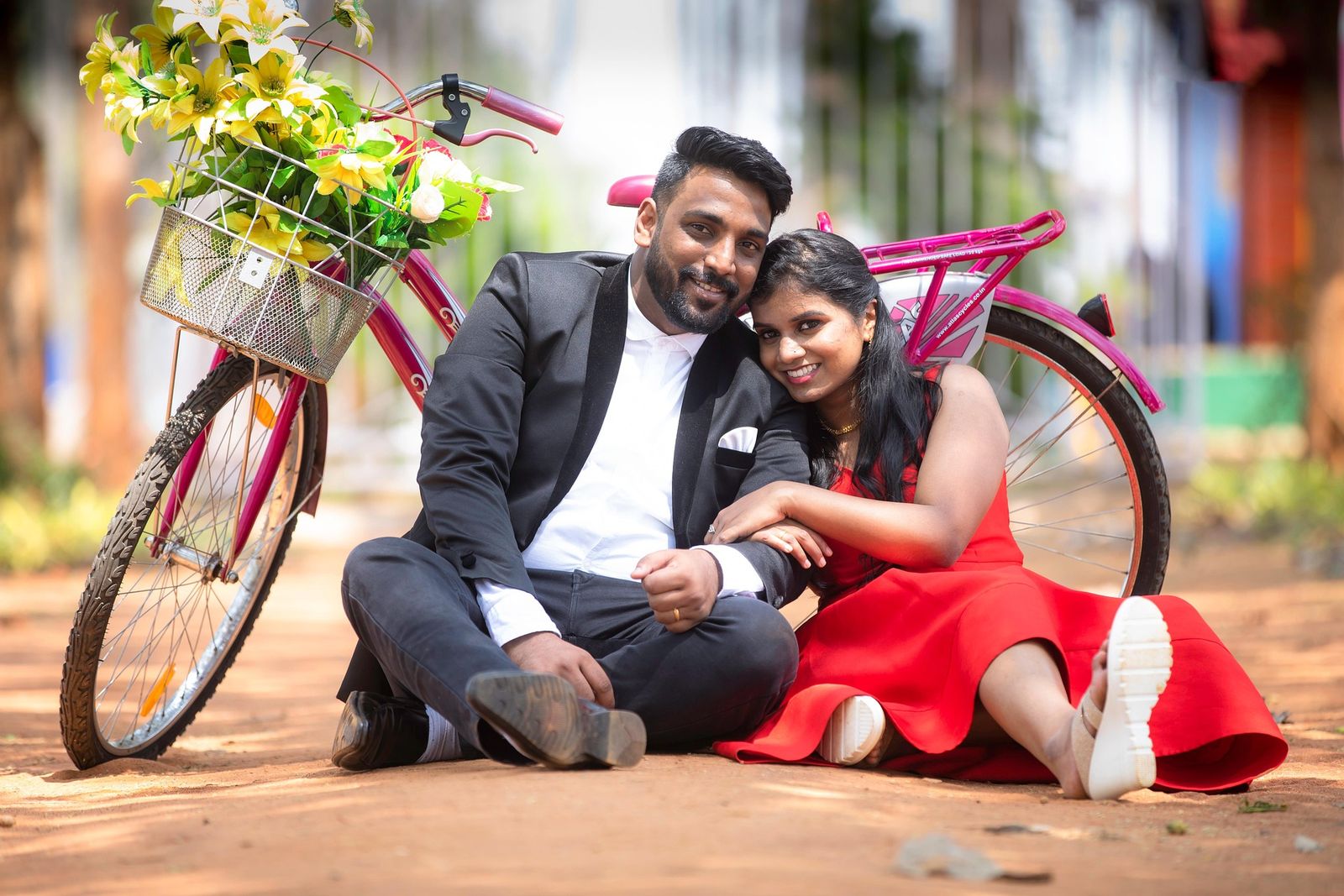
Protecting your partner's privacy is as important as protecting your own. The details you share casually in a group chat or a photo tag can follow them home, cost them work, or turn into a security risk. Your partner deserves to control what others know about them, and you can make sure they do.
Why this matters
Anyone can pretend to be someone else online and post information that is not true. 1 Once your partner's face, surname or location is online, you cannot unsee it. A photo you post can be downloaded, reverse-searched, or shared to places you did not intend. People who know them from school or work might find out about this relationship through your social media. Someone with bad intent can use identifying information to reach them directly.
The best protection is to keep identifying details private in the first place. That means asking before you share, thinking about who will see what you post, and respecting what your partner has told you about who should know.
Keep their name, face and location off your posts
Their surname is not yours to share. Neither is their job, their workplace, their home address, or their neighbourhood. If you want to mention dating someone, do it without any detail that would let someone find them.
Photos are the biggest privacy leak. A photo of your date is a photo of them, and you are deciding to share their face with the internet. Before you take one, ask. Before you post it, ask again. Before you send it in a group chat, think about everyone in that chat and whether they need to know what your date looks like.
Check-ins are a public record. Never tag your partner's location when you are out. A check-in at a hotel, a restaurant or a venue is a map to where they are right now. It is also a permanent record anyone can search later. Do not do it.
I'd rather you didn't post photos of me on social media without asking first. If you want to mention you're out, that's fine, but I'd like to keep my face off the feed.
Tell your safety friend only what they need
If you are dating someone new, you probably want to tell a friend where you are going and when you will be back. That is sensible. Your safety friend does not need your date's surname, their employer, or their home address. They need just enough information to help if something goes wrong, and no more than that.
- Their first name
- A screenshot of their profile or a photo of their face
- The venue and the time
- When you expect to be home
That is all. Your safety friend's job is to know where you are and to check on you if you stop responding. It is not to know your date's life story. If you trust your date with your time, trust them with your privacy.
Do not post gifts, cars or homes
Gifts show generosity. Posting them shows your date's generosity to the world. Someone who takes you to nice places, buys you things or helps you with money does not want a photo of that on your feed. It is bragging on their behalf, and it is a security risk. They become a target.
The same goes for a car, a holiday, or anything else linked to money or location. Do not post it. If you want to share good news with people you trust, say it in a message or a private call, not a photo with a location tag.
Ask what they are comfortable with
Different people have different boundaries. You might be happy for everyone to know you are dating, and they might want it secret. You might want to tag your dates in photos, and they might hate it. The only way to know is to ask.
Have this conversation early. When you talk about expectations, include privacy. Ask them what they want you to share, who they want to know, and what would make them uncomfortable. Then stick to what you agreed. Asking once and then posting anyway is the same as not asking.
When ending things
If the relationship ends, do not post about it. Do not leave up photos of them on your social media. Do not tell people you know in common the details of why it finished. Delete the screenshots you sent to friends. The relationship is over; their privacy is not.
If you have protected your own privacy, you have less to take down. If you have told only the people you trust what was happening, fewer people know what to forget. The easiest privacy breach to fix is the one you never created.
Sources
- New Zealand Police (2026). Safety advice.