Dateable
Should you delete messages and photos when it ends?
Delete intimate images you do not want circulated. Keep messages if there was any threat or pressure, stored somewhere private.
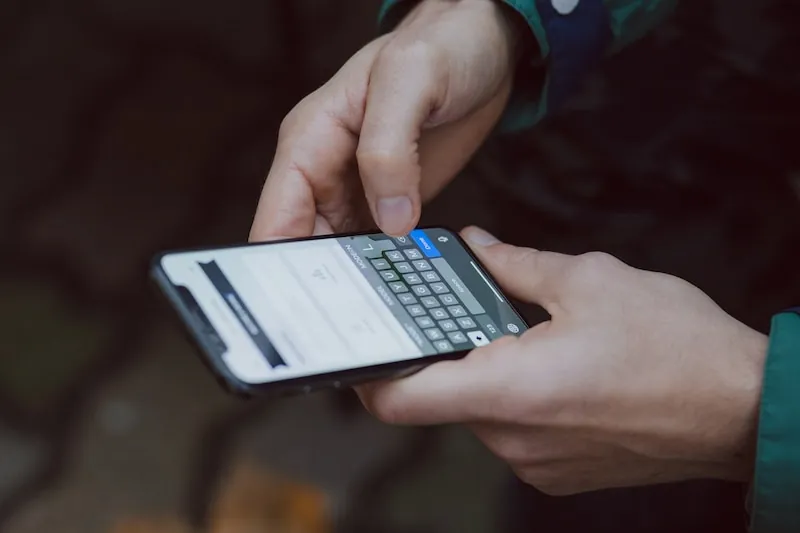
Delete intimate images to protect your privacy and lower your risk. Keep messages and screenshots if there was any threat, pressure or boundary-crossing, in a private folder where you can access them if you need to report.
Why photos matter
Photos of you are personal information 1. Your image belongs to you, and once you share it outside a relationship, you lose control of what happens to it. Someone who ends on good terms might keep a photo for years and share it later, or a device might be hacked. Intimate photos carry the highest risk: they can be used for blackmail, spread online as revenge, or turned into deepfakes. They create liability long after the relationship ends.
Deleting intimate photos is the simpler choice and the safer one. It removes a tool someone could use to hurt you, and it removes evidence of a private moment that no longer belongs to the two of you. If you took intimate photos together, ask your date to delete theirs. You have the right to ask, and most people will understand why. Phrase it plainly and directly:
I want to make sure we both delete any intimate photos we have of each other. I'll delete mine now, and I'd like you to do the same.
If they say no, or they hedge, take that as important information about how they see the relationship and what happens to your images if things go wrong.
When to keep messages
Delete messages after most endings. They document private conversations, take up space, and holding onto them keeps you tied to someone you are moving away from. The exception is clear: keep messages if there was any threat, pressure, coercion or refusal to accept your boundary. These are not memories to hold onto. They are evidence.
Messages matter as evidence. If someone threatened to share your intimate photos, kept pushing for sex after you said no, demanded money or pressured you into something you did not want, keep the screenshots. Messages prove what happened, when it happened and who said what. Store them in a private folder on a device only you access, not in the cloud and not where a shared account could find them. If the person escalates later or you decide to report, you will have a record of what happened and when.
Do not send them to your date as proof of their behaviour. Do not share them in a group chat to vent. Keep them private so they remain admissible and intact if you need them.
Revoking access on Dateable
Dateable lets you grant or revoke private album access to each person individually. This is one of the site's core features for photo safety. If you have shared private photos with your date, revoke their access the moment the relationship ends. Do not wait or worry about hurting their feelings. They keep their own copy of a photo if they saved it to their device before you revoked access, but you stop any new viewing and re-accessing once it ends. It is a clean break.
Revoking access is different from deleting. Revoking access means your date can no longer see the album or scroll through it. The photos stay in your private album if you choose to keep them. No notification goes to them when you revoke. It is one press from their profile, and it happens immediately.
How to ask them to delete
People often agree to delete because it is the easy, honest thing to do. Someone with nothing to hide and respect for your privacy will delete without making it complicated. Some hesitate or refuse, which tells you something about how they see your relationship and your boundaries. Your tone matters less than clarity. Say what you want, not what you do not want. Do not apologise for asking.
- Clear and direct: "I'd like you to delete the intimate photos we took together."
- If they ask why: "They are mine to control, and I want them deleted. This is not up for discussion."
- If they say they need them: Stop the conversation. This is not negotiable. Do not keep explaining.
- If they claim they already deleted them: You have no way to verify. Accept the answer and move on.
- If they get defensive: Their feelings are not your problem. You have the right to ask.
Someone who refuses to delete intimate photos of you has shown they will not respect your boundaries after the relationship ends. Refusing counts as a refusal to accept the ending. They are keeping images they no longer have any right to, and you have grounds to report. Do not let it go unanswered.
Covering your own tracks
This goes both ways. Look at any photos you kept of them. If you saved intimate photos, delete them now. If you took screenshots of their profile or private messages out of habit or anxiety, delete those too. The same protection you want extends to them. Keep only what you might need to report: evidence of threat, abuse or coercion. Everything else goes.
If you shared intimate photos of them without their knowledge or permission, tell them straight away and delete yours. Yes, now. That is a boundary violation they have the right to know about, and it is your responsibility to fix it. Do not let shame stop you. The longer you wait, the worse it looks.
If something goes wrong later
If your date shares intimate photos of you without permission, threatens to do so, or uses photos to pressure or blackmail you, report it. Report and block is one press from any profile. Dateable's team reviews your report. You can also report to your local eSafety or image-abuse service.
If you are worried about your privacy more broadly, protect your privacy covers separate numbers, email addresses and keeping identifying information off the app. Private photos walks through the whole album system: what stays private, who sees what and how to revoke access.
Sources
- Office of the Australian Information Commissioner (2026). Photos and videos.